How Tesamorelin Works Tesamorelin is a synthetic analog of growth hormone releasing hormone (GHRH), the signal that tells your pituitary gland to produce and release growth hormone
The formula is infused with electrolytes to help retain moisture, and they feel so hydrating
For topical research context, PepPal breaks down GHK-Cu skin product options

Cerebrolysin Research Protocols & Administration Dosing in Published Research Research investigations have employed diverse Cerebrolysin doses depending on species, condition, and route: Preclinical Studies: Rat stroke models: 2.5-7.5 ml/kg optimal range (0.8-7.5 ml/kg studied) Rat TBI models: 2.5 ml/kg identified as optimal dose Mouse neurodegenerative models: 5 ml/kg typical dose Administration timing: Usually 4 hours post-injury, daily for 10-21 days Human Clinical Trials: Acute stroke: 30-50 ml/day intravenously for 10-21 days Vascular dementia: 20-30 ml/day for 4-week cycles Alzheimers disease: 10-60 ml/day for 4-24 weeks Traumatic brain injury: 30-50 ml/day for 10-21 days Important: These dosing regimens are specific to the conditions and species studied and cannot be extrapolated across species or indications due to significant differences in pharmacokinetics, peptide metabolism, receptor expression patterns, and disease pathophysiology
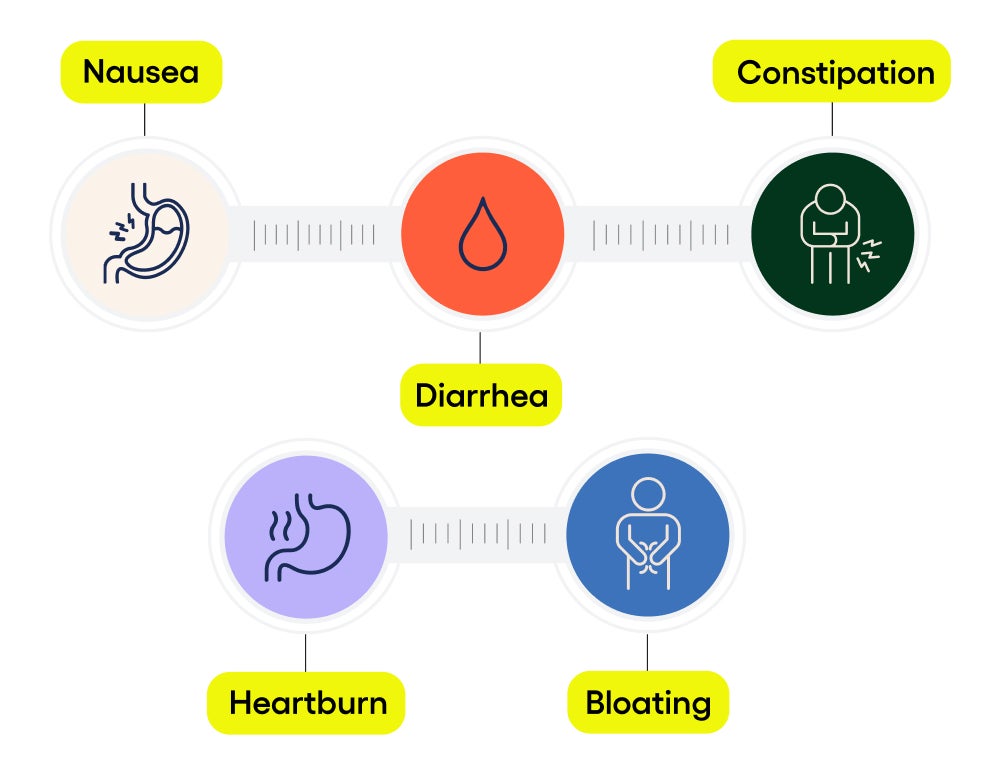
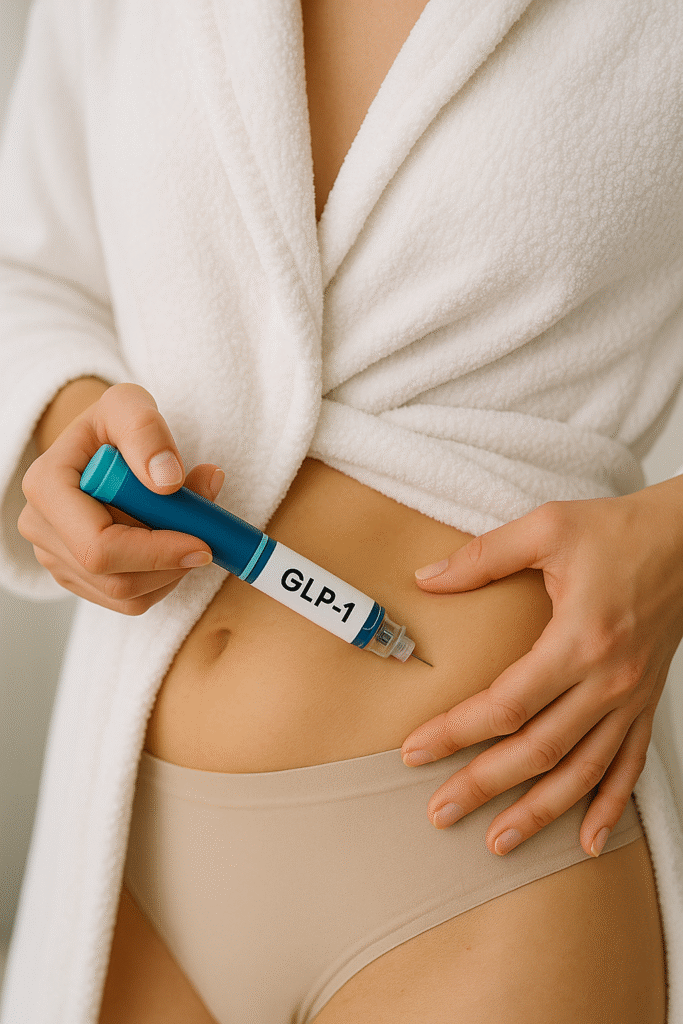
GLP3-R GLP1-S Safety and Side Effects in Research In controlled studies, GLP1-S has generally been well-tolerated , though gastrointestinal events are among the most common findings