IOP Publishing, p 012149 (2021) Maddali, H., Miles, C.E., Kohn, J., OCarroll, D.M.: Optical biosensors for virus detection: prospects for SARS-CoV-2/COVID-19
Things to think about As with many antiaging regenerative treatments, the science is new
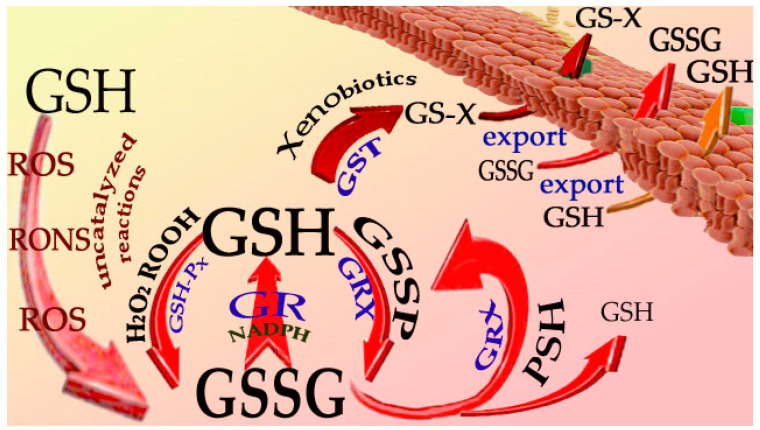
Clinical research shows it can raise blood glutathione levels by up to 3035%
If a protocol lands between visible marks, round to the nearest graduation on the syringe barrel the difference of half a unit is well within the tolerance of research handling

1 Introduction Currently, half of the countries in the world have a fertility rate below the replacement level ( The analysis of sperm quality parameters stands as the principal approach for evaluating male fertility ( As paternal age advances, a substantial decline in reproductive cells, encompassing testicular interstitial cells, Sertoli cells, and germ cells, has been observed ( de novo mutations, and alterations in sperm telomere length are associated with male aging ( The sperm DNA fragmentation index (DFI) is considered a highly reliable indicator of fertilization capacity and the potential for embryonic development ( in vitro fertilization (IVF), and intracytoplasmic sperm injection (ICSI) ( Considering the progressive decline in sperm quality with increasing paternal age, the transmission of genetic abnormalities may enhance the likelihood of early pregnancy loss or the occurrence of genetic disorders in offspring ( In this research, we explored the relationship between male age and sperm quality, along with its potential implications for the success rate in the ART






.png)