After the low-intensity exercise, muscle glycogen content was 35% greater in the carnitine group, indicating that carnitine may spare glycogen for endurance athletes
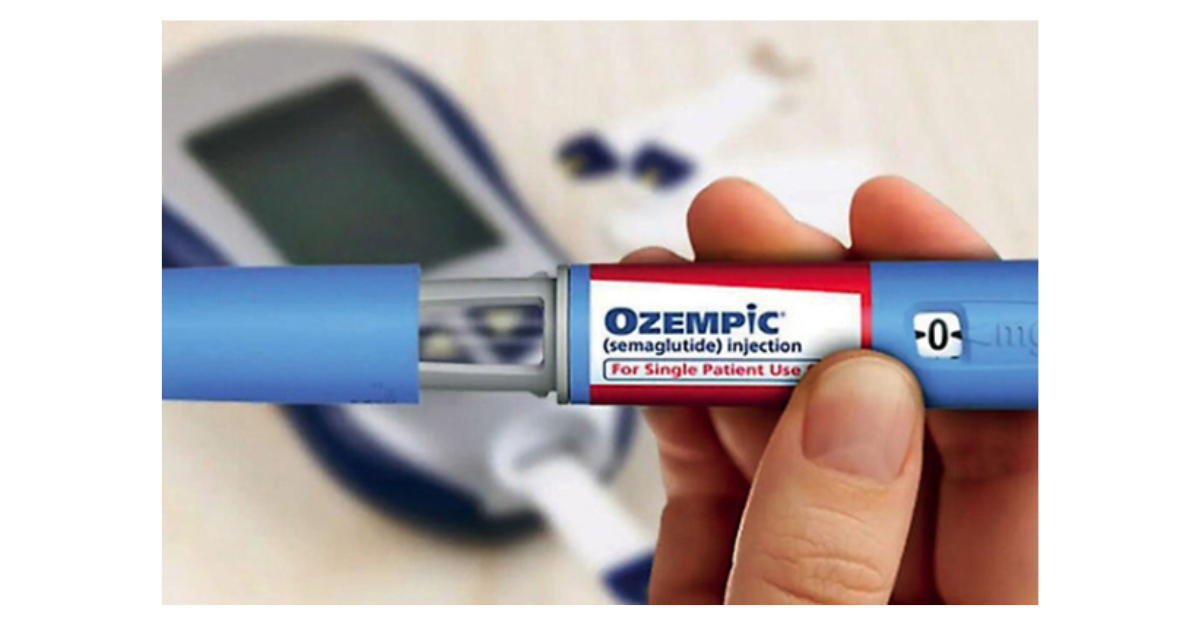
American women are primarily on GLP-1 medication to lose weight, reduce food cravings, and manage diabetes
Lean works through natural mechanisms (thermogenesis, appetite control, mood support) rather than pharmaceutical intervention
Mechanistic studies to better understand the molecular targets and pathways involved in peptide action could help identify potential adverse effects and inform safer clinical use
Proposed Mechanisms of Action Research suggests BPC-157 may influence tissue repair through several pathways: Angiogenesis Promotion: Upregulation of vascular endothelial growth factor (VEGF) expression in preclinical studies Enhanced blood vessel formation in wound healing models Improved blood flow to injured tissues, potentially supporting nutrient delivery Interaction with the nitric oxide (NO) pathway affecting vasodilation Growth Factor Modulation: Potential influence on fibroblast growth factor (FGF) signaling Modulation of growth hormone receptor expression in some studies Effects on collagen synthesis and extracellular matrix remodeling Anti-inflammatory Properties: Observed reduction in inflammatory markers in animal models Potential modulation of cytokine profiles Effects on neutrophil and macrophage activity in tissue injury models Mechanistically, these effects are thought to converge on the vascular and connective-tissue repair response