Food and Drug Administration as: Official USP article Meets compendial standards Pharmaceutical excipient Approved for use as a drug vehicle/diluent Available by prescription When intended for compounding with prescription medications Research Laboratory Use In research settings, Bacterostatic Water: Does not require prescription when used solely for laboratory research Must be sourced from reputable pharmaceutical or laboratory suppliers Should be handled according to institutional biosafety and chemical safety protocols Falls under institutional oversight for proper use and disposal Common Research Applications Peptide Reconstitution Bacterostatic Water is frequently used to reconstitute lyophilized peptides including: Growth hormone-releasing peptides (GHRPs) Melanocortin peptides Tissue repair peptides Metabolic peptides Cosmetic peptides Typical reconstitution protocol: Calculate required volume for desired concentration Clean vial stopper with alcohol swab Draw calculated volume of Bacterostatic Water using sterile syringe Inject water slowly down side of peptide vial (avoid foaming) Gently swirl (do not shake) to dissolve Inspect for complete dissolution and clarity Store reconstituted solution as directed for specific peptide Dilution of Stock Solutions Researchers use Bacterostatic Water to: Create working concentrations from stock solutions Adjust osmolarity of research preparations Prepare serial dilutions for response studies Standardize injection volumes across experimental groups Disposal Guidelines Proper Disposal Methods Bacterostatic Water should be disposed of according to: Institutional waste management protocols Follow your facilitys guidelines for pharmaceutical waste Local and state regulations Comply with regional requirements for liquid pharmaceutical disposal EPA guidelines May be considered pharmaceutical waste requiring special handling Contamination considerations If used with hazardous compounds, may require hazardous waste disposal General Recommendations Do not pour down sink drains without institutional approval Do not dispose in regular trash if contaminated with research compounds Seal vials before disposal to prevent leakage Label waste containers appropriately Maintain disposal records as required by institution Ordering Considerations Supplier Selection Criteria When sourcing Bacterostatic Water for research, consider: USP certification Verify product meets USP standards COA availability Ensure Certificates of Analysis provided with each lot Supplier reputation Choose established pharmaceutical or laboratory suppliers Proper labeling Vials should be clearly labeled with all required information Expiration dates Check for adequate shelf life remaining Storage during shipping Verify appropriate shipping conditions maintained Common Vial Sizes Bacterostatic Water is typically available in: 10 mL multi-use vials Most common for laboratory use 20 mL multi-use vials For higher volume needs 30 mL multi-use vials Available from some suppliers Select vial size based on anticipated usage within the 28-day post-opening window
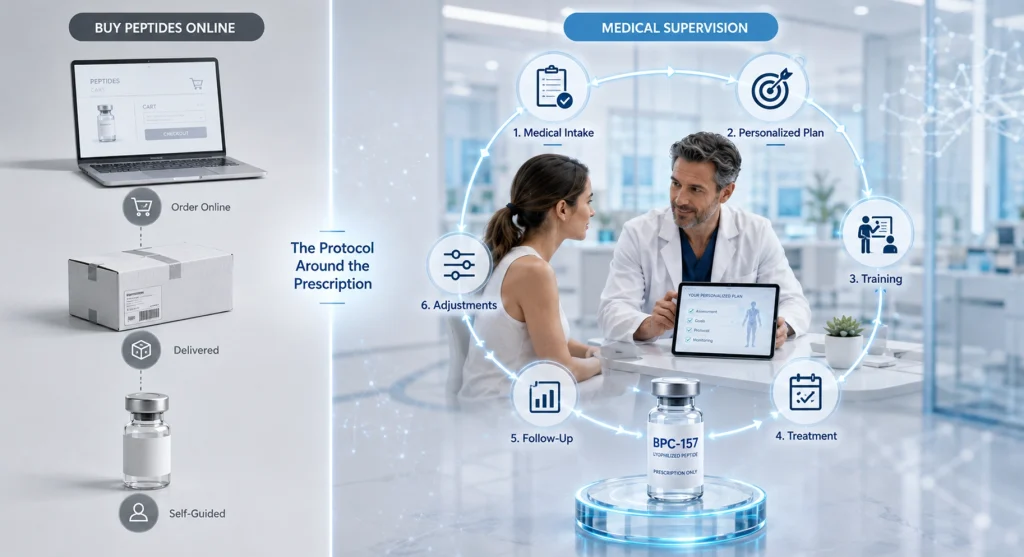
doi.org/10.3389/fphar.2021.627533 Regulatory Status FDA, WADA anti-doping, and compounding status provided for research context
In short, it says that working out is good for your mental health
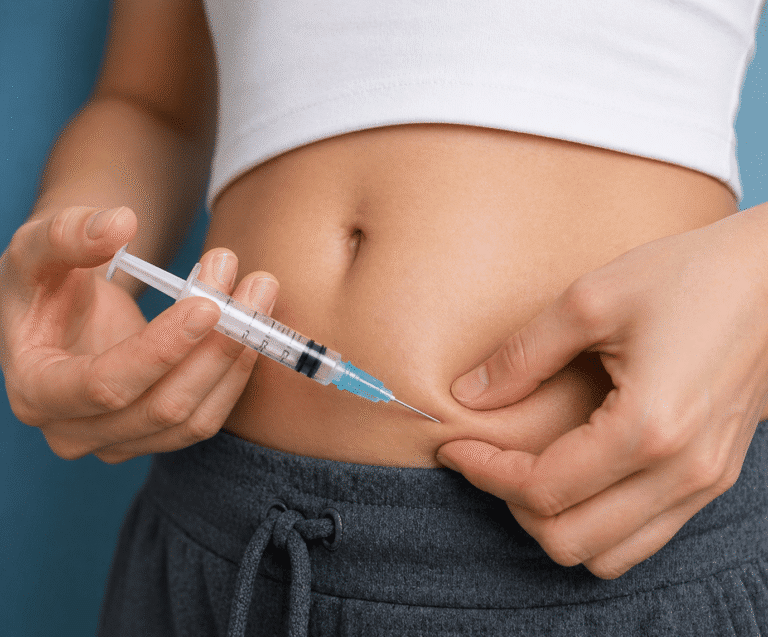
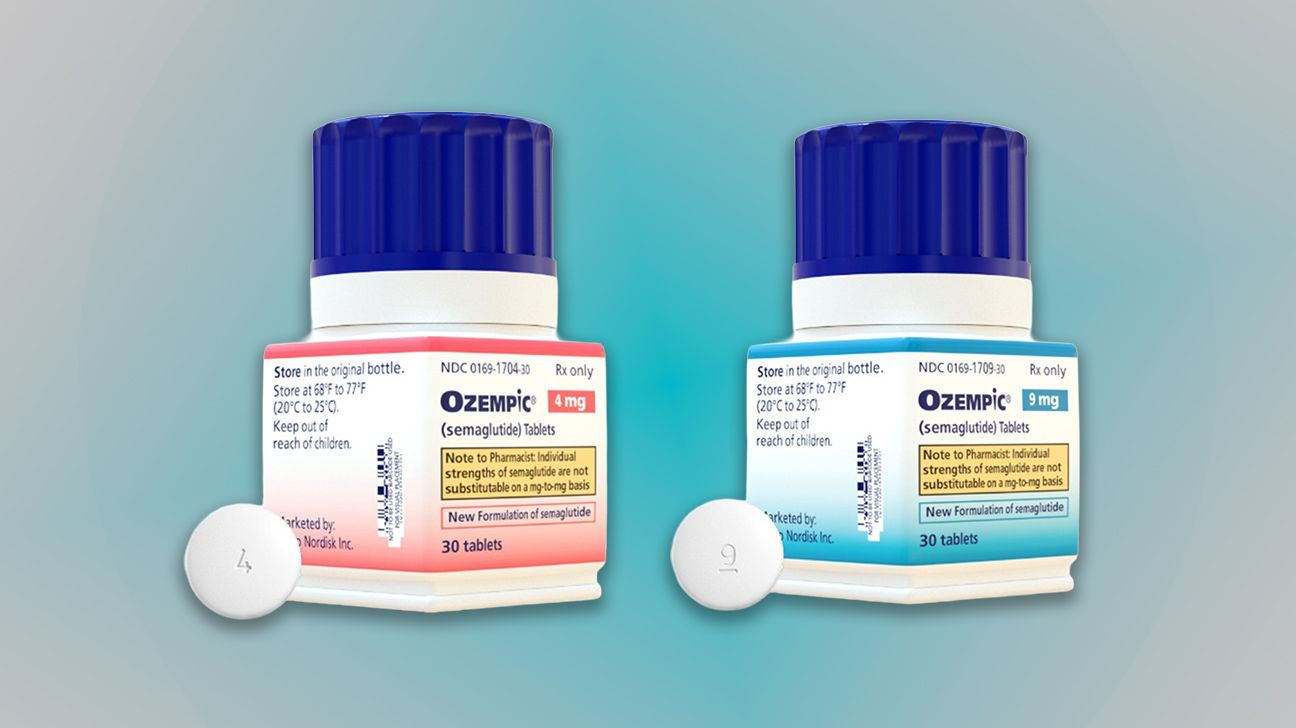
In clinical trials, 1.4% of patients treated with semaglutide injection for weight management experienced injection site reactions (including injection site pruritus, erythema, inflammation, induration, and irritation) vs
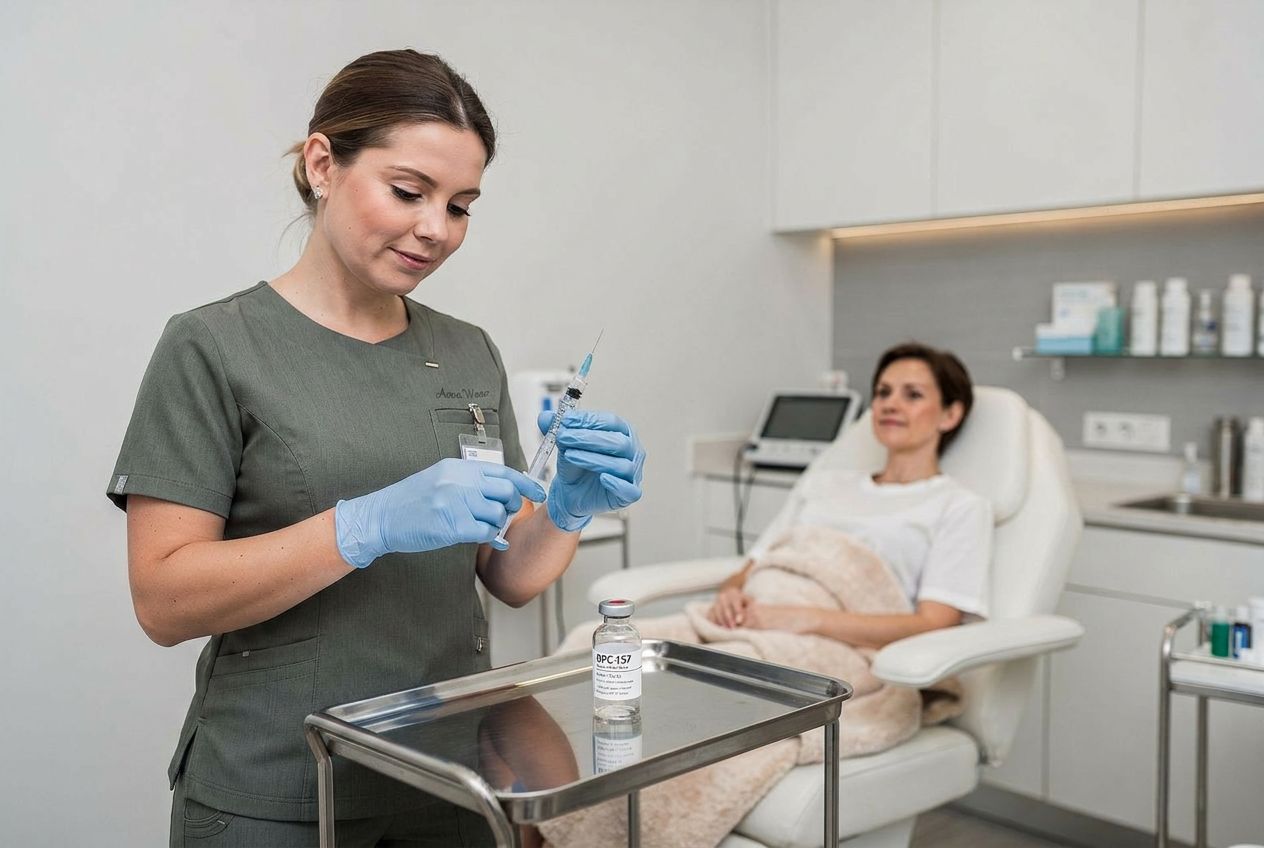
However, based on the research to date, researchers will want to consider the following guidelines when when administering these peptides: Subcutaneous and intramuscular injections are considered more effective due to enhanced bioavailability , but using BPC-157 + TB-500 nasal spray could have certain advantages depending on the therapeutic objective and study design




















![CORTIS - COLOR OUTSIDE THE LINES [Singing Bowl Ver.] NOWZ](https://cdn.shopify.com/s/files/1/0955/2468/4040/files/cortis-1st-ep-color-outside-the-lines-singing-bowl-ver-best-kpop-store-8735347.webp?v=1755766762)

