Research suggests that the medication, a glucagon-like peptide-1 (GLP-1) and glucose-dependent insulinotropic polypeptide (GIP) receptor agonist, originally developed to manage Type 2 diabetes, may be able to treat a wide range of conditions involving impulse control, like binge eating disorder.But although there may be tantalizing clues for helping patients with unwanted impulses, GLP-1 and GIP inhibitors may not be optimally designed to treat them sufficiently and need further research, according to a case study from the Perelman School of Medicine at the University of Pennsylvania, published today in Nature Medicine
But here is what trips people up
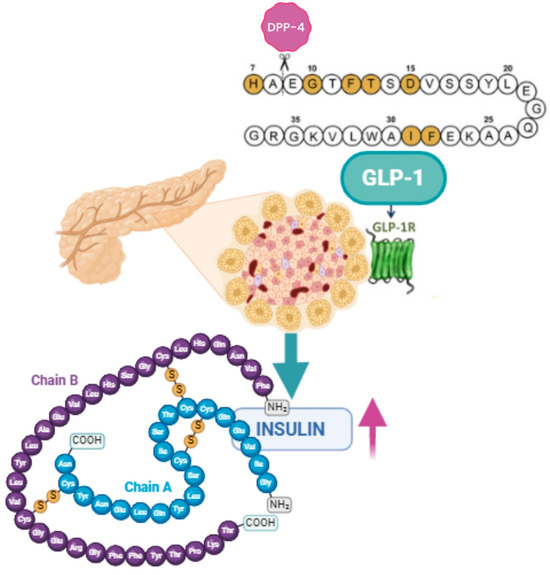
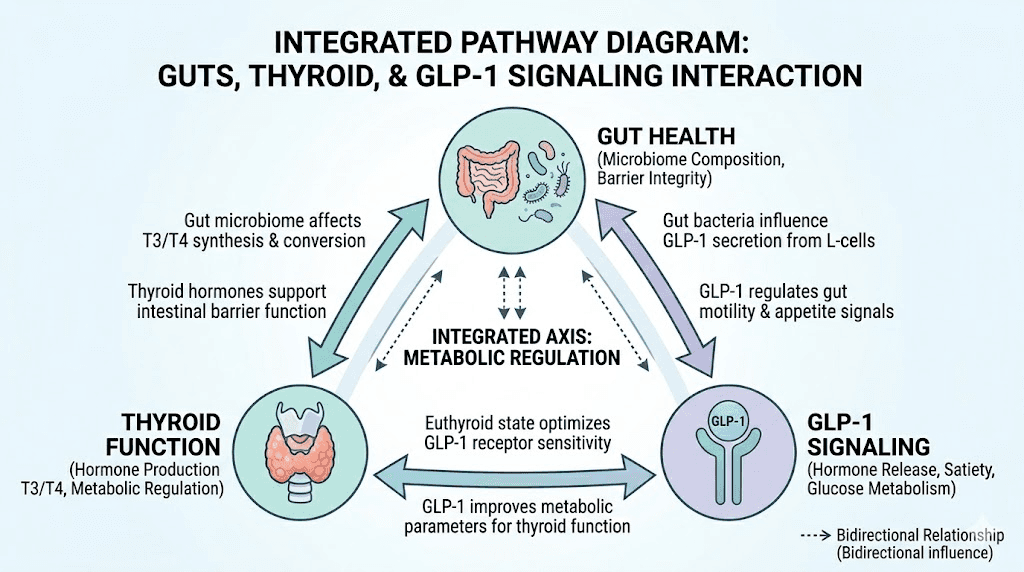
In T2DM, glucagon-like peptide-1 (GLP-1) analogs act through GLP-1receptor which promote insulin signaling and glucose control
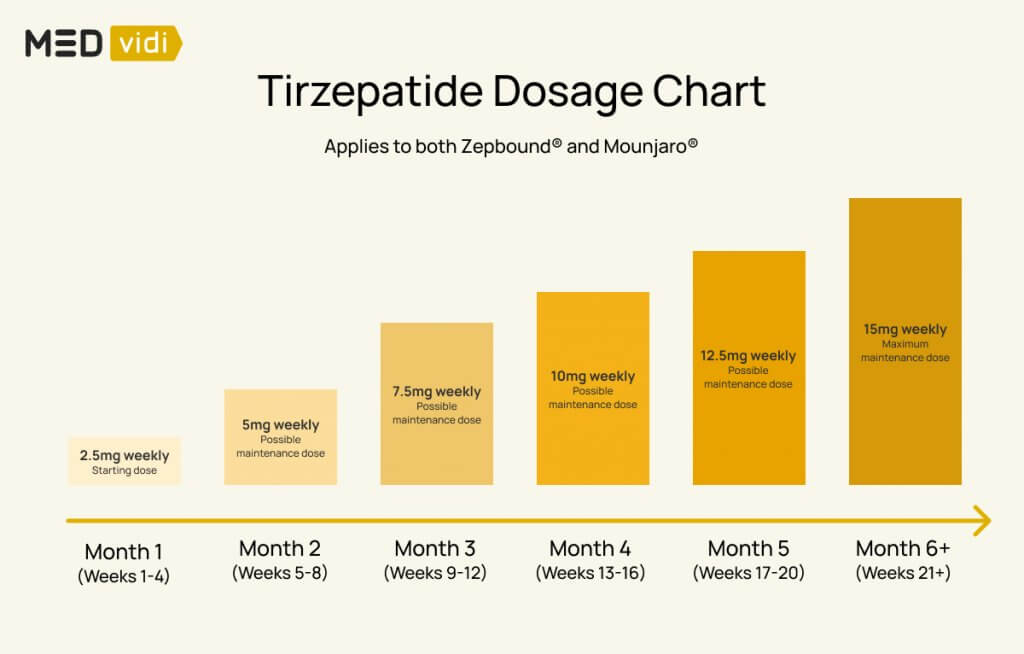
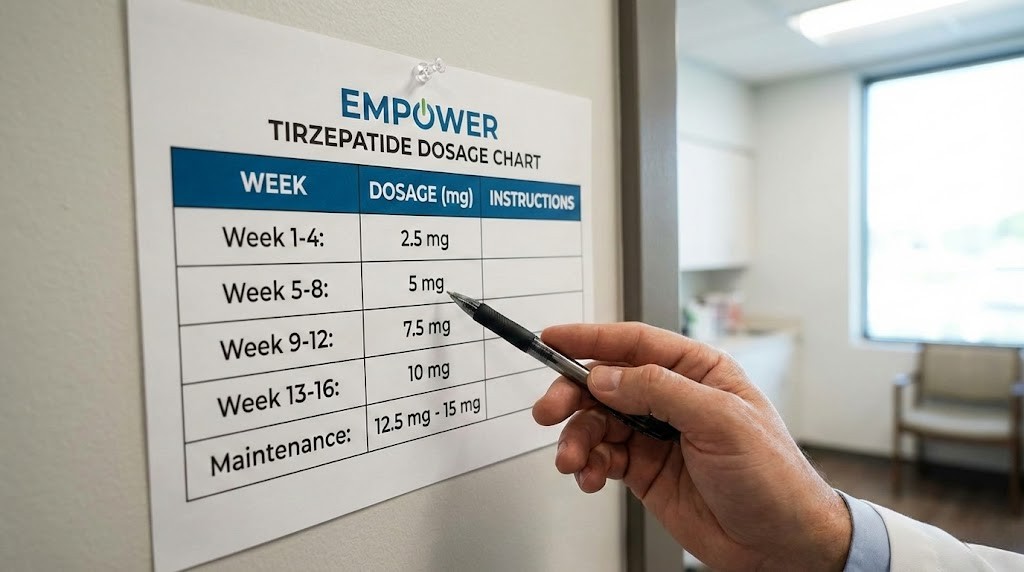
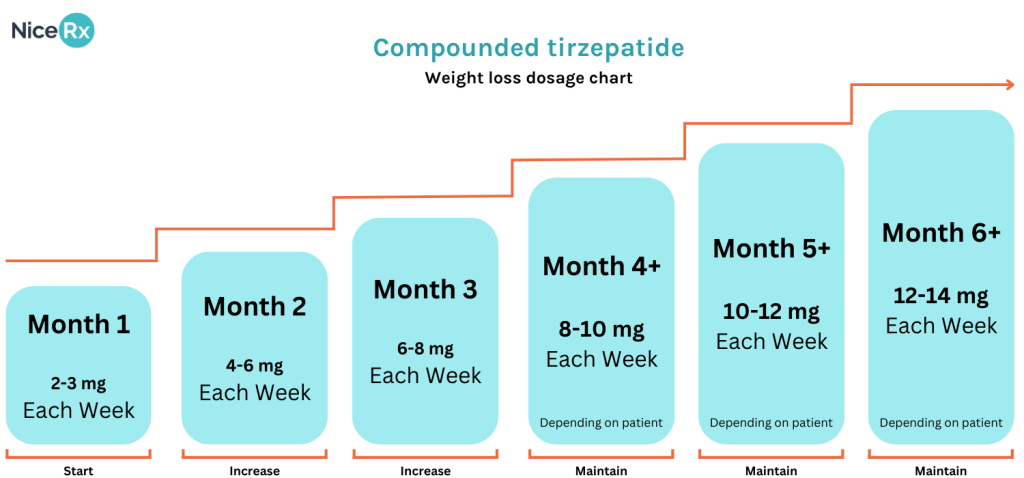
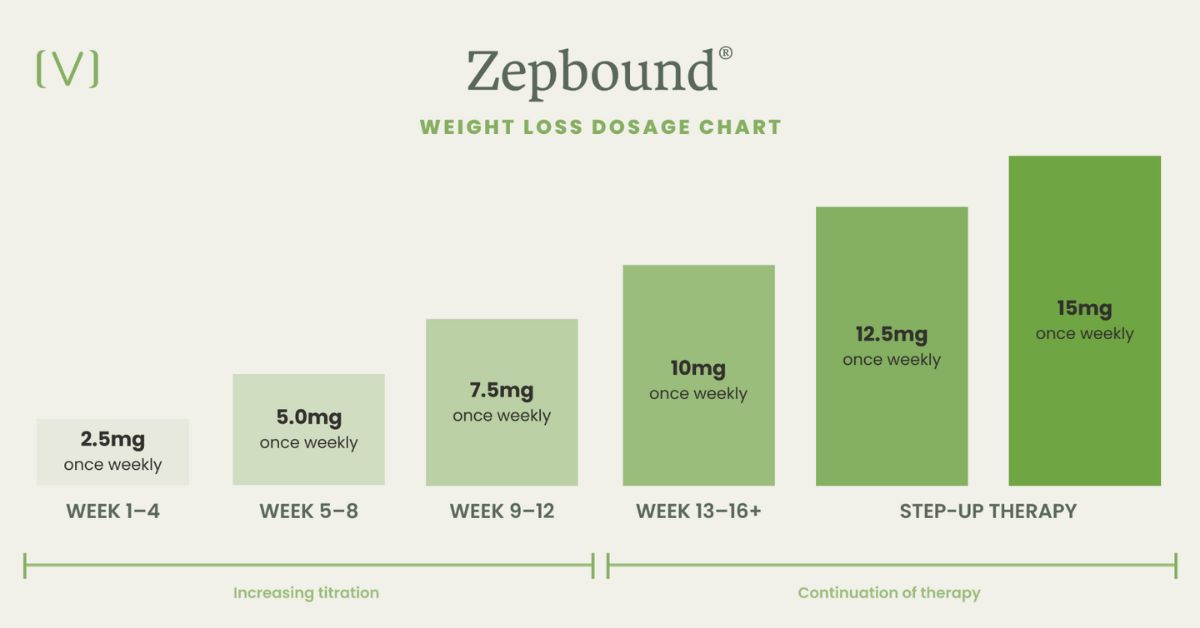
The goal is to find the dose where food noise quiets, hunger becomes manageable, and your body finally works with you instead of against you
Conversely, for women with polycystic ovary syndrome (PCOS) or obesity-related menstrual irregularities, weight loss can actually restore ovulatory cycles and improve period regularity