They target different (but complementary) systems
These findings remain preliminary and are based on preclinical or in-vitro research systems
Key limitations of the current research include: Small sample sizes in early or pilot human studies Heavy reliance on animal models that may not reflect real-world substance use Limited duration of studies and inconsistent outcome measures The absence of FDA approval for GLP-1 medications in treating substance use disorders Important context to keep in mind: Addiction is influenced by psychological, social, and environmental factors beyond biology Medications alone are not sufficient to address substance use disorders Evidence-based therapies remain the standard of care At this time, GLP-1 medications should not be considered treatments for opioid, nicotine, or stimulant use disorders
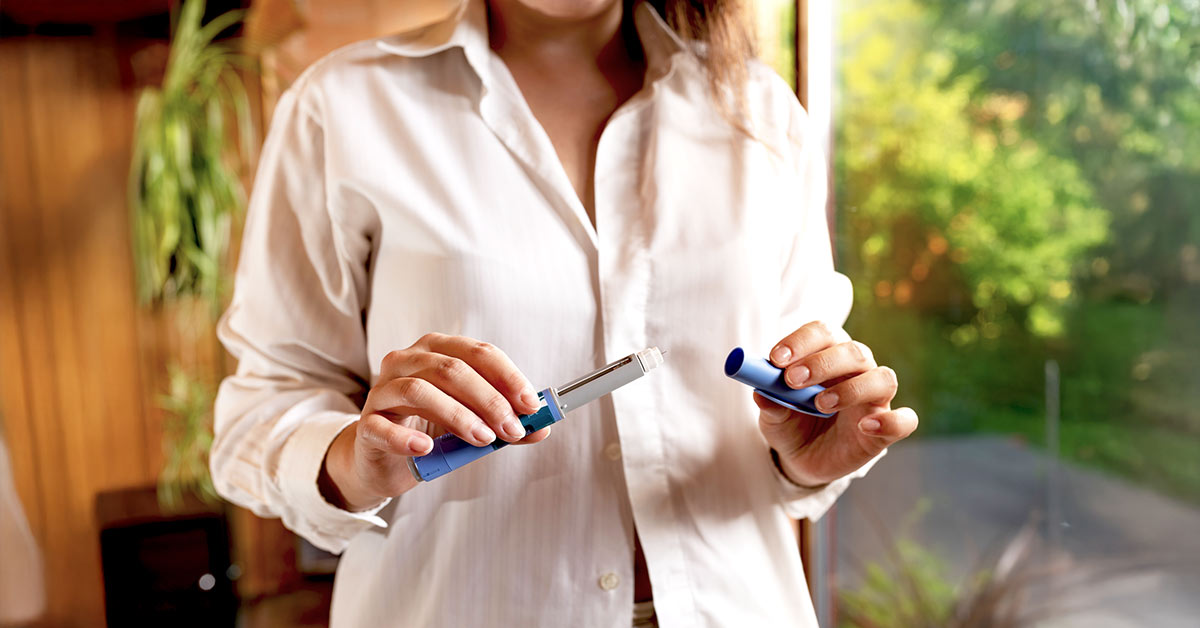
Check the liquid in your SymlinPen to make sure you have enough SYMLIN left in your SymlinPen to load your correct dose
BPC-157: Standard shelf life: 28-30 days refrigerated Maximum (if necessary): 45 days, expect 10-15% potency loss Very stable peptide due to short sequence Shows minimal degradation in first month TB-500 (Thymosin Beta-4): Standard shelf life: 28-30 days refrigerated Maximum: 45-60 days, expect 15-20% potency loss Relatively stable in solution Longer peptide chain but still maintains structure well KPV: Standard shelf life: 28-30 days refrigerated Maximum: 30-40 days Tripeptide (very short), highly stable Minimal degradation within first month Recommendation: Follow 28-30 day rule for these healing peptides