
A psychologist or therapist can help you: identify your individual triggers more precisely, understand what tobacco is actually "giving" you, create a concrete plan of steps instead of a vague "I'll stop," work with the thoughts that pull you back, handle crisis moments without relapsing
The continuous exposure to nicotine and other ingredients, like artificial flavorings and sweeteners, can lead to inflammation, redness, ulcers and swelling
Lower fibre intake has been associated with a higher risk of developing diverticular conditions
Mindfulness-Based Therapies: Mindfulness-based interventions, such as mindfulness meditation and mindfulness-based relapse prevention, help individuals develop greater awareness of their thoughts, emotions, and cravings related to tobacco use
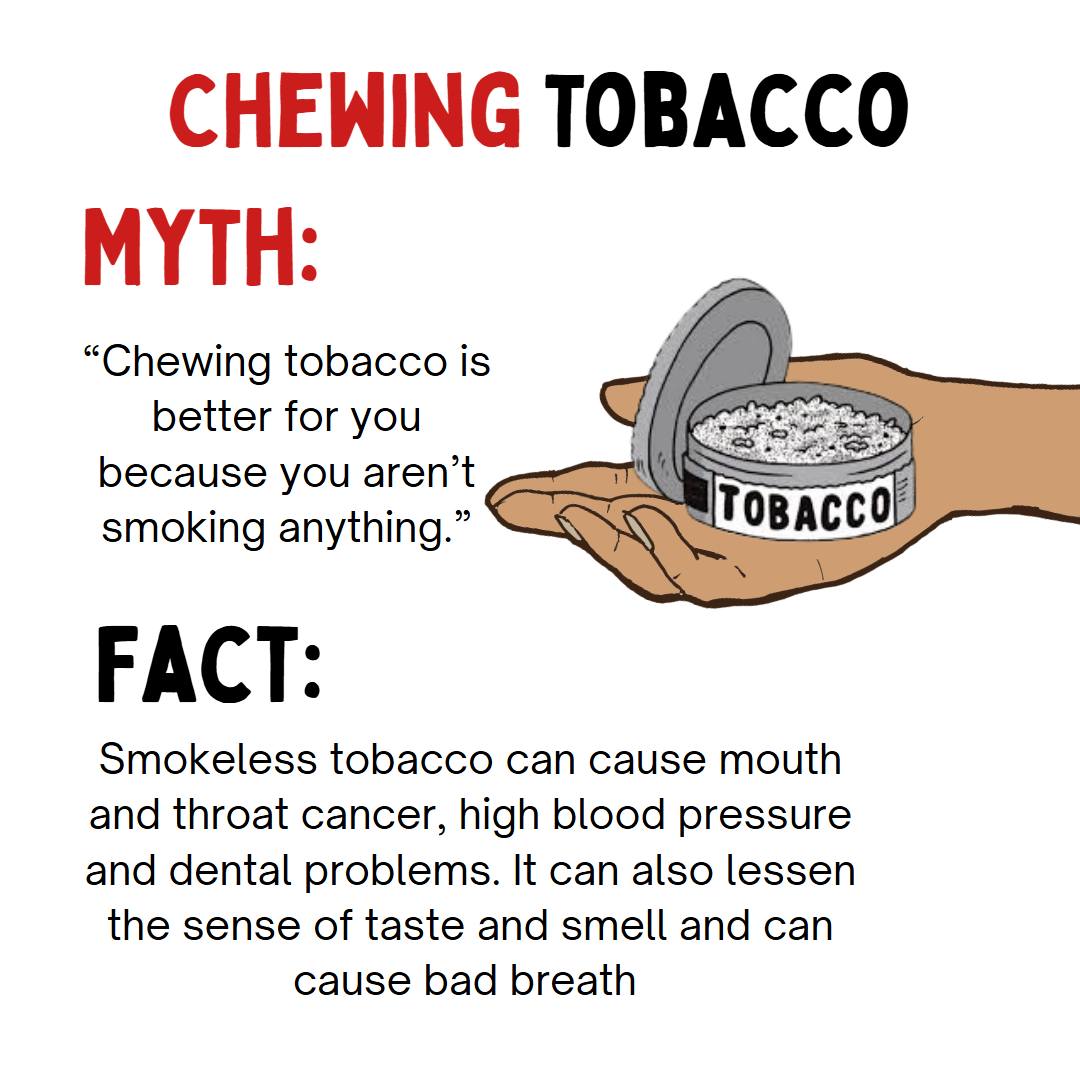
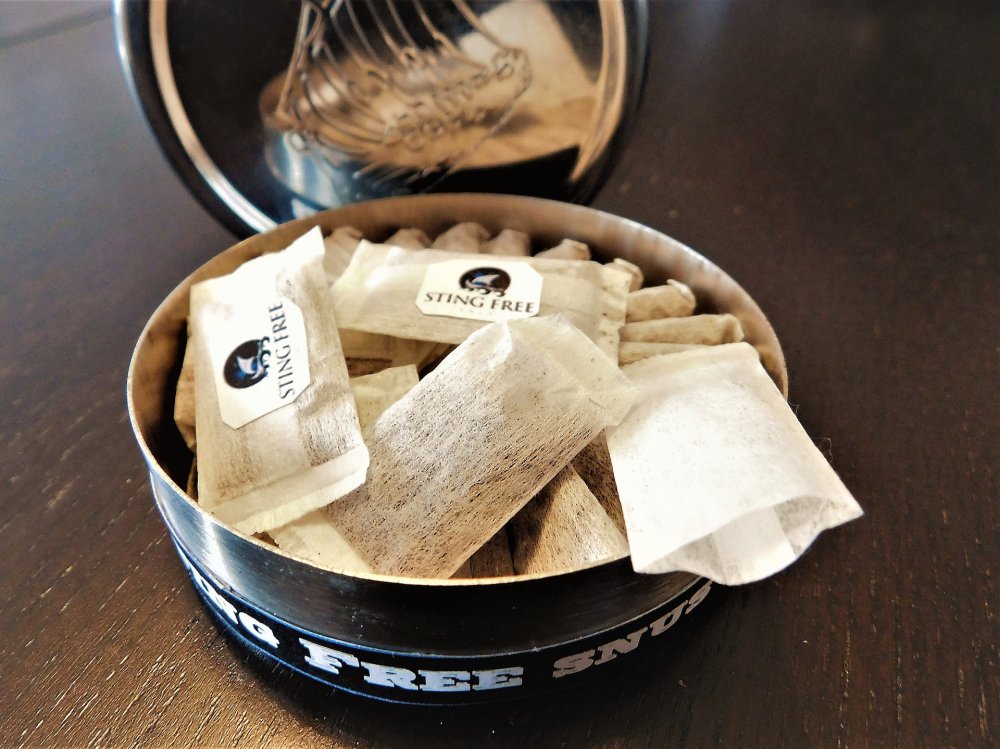
Chewing tobacco is usually sold as leaf tobacco (packaged in a pouch) or plug tobacco (in brick form) and both are put between the cheek and gum