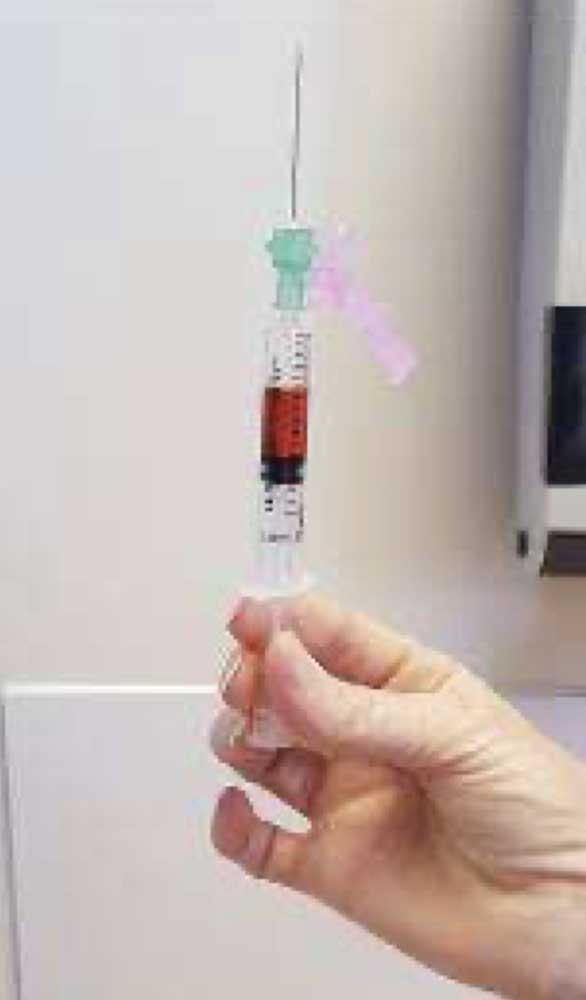
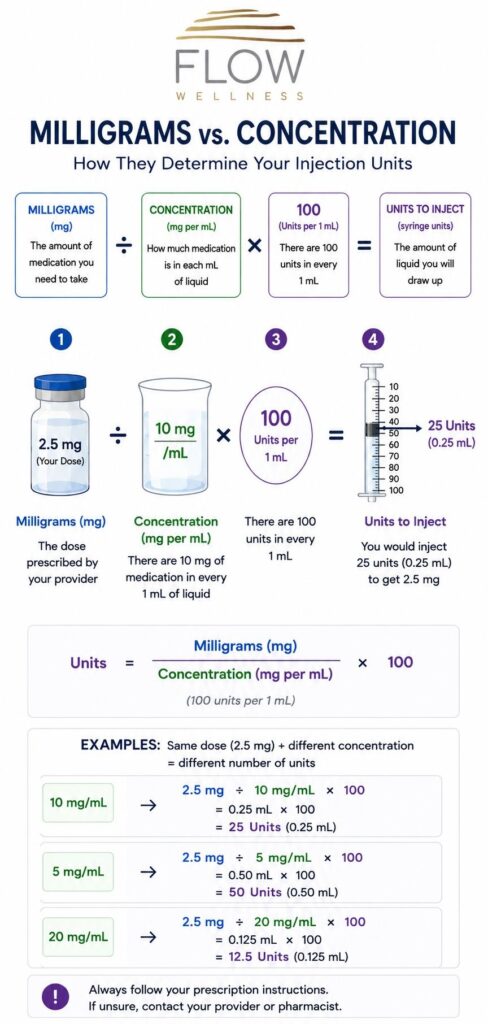
Practical management strategies should include: Gradual titration to minimise gastrointestinal side effects, starting with the lowest available dose and increasing according to tolerance and glycaemic response Regular monitoring of HbA1c (individualised targets typically within 4858 mmol/mol or 6.57.5% in stable transplant patients, agreed with transplant and diabetes teams), body weight, and renal function Coordination with transplant teams to ensure immunosuppressant levels remain therapeutic, with additional trough level monitoring during GLP-1 initiation and after episodes of significant vomiting or diarrhoea Patient education regarding injection technique, storage requirements, and recognition of adverse effects requiring medical attention Dietary counselling to optimise nutritional intake whilst managing appetite suppression, ensuring adequate protein and micronutrient consumption for graft health Sick-day rules : temporarily withhold GLP-1 agonist during significant vomiting or diarrhoea, maintain hydration, and seek medical advice promptly Regular retinopathy screening for patients with diabetes, particularly when initiating semaglutide Patients should be advised to contact their GP or transplant team if they experience persistent vomiting, severe abdominal pain, signs of dehydration, or any symptoms suggesting infection or rejection, as these may require urgent assessment and temporary medication adjustment

Lazzeri L, Vannuccini S, Orlandini C, Luisi S, Zupi E, Nappi RE, et al
Fiati Kenston SS, Song X, Li Z, Zhao J (2019) Mechanistic insight, diagnosis, and treatment of ammonia-induced hepatic encephalopathy
Good To Know Good To Know The size is 2g x 30 sticks
In this study, articular chondrocytes were expanded to a number that was needed for ACI
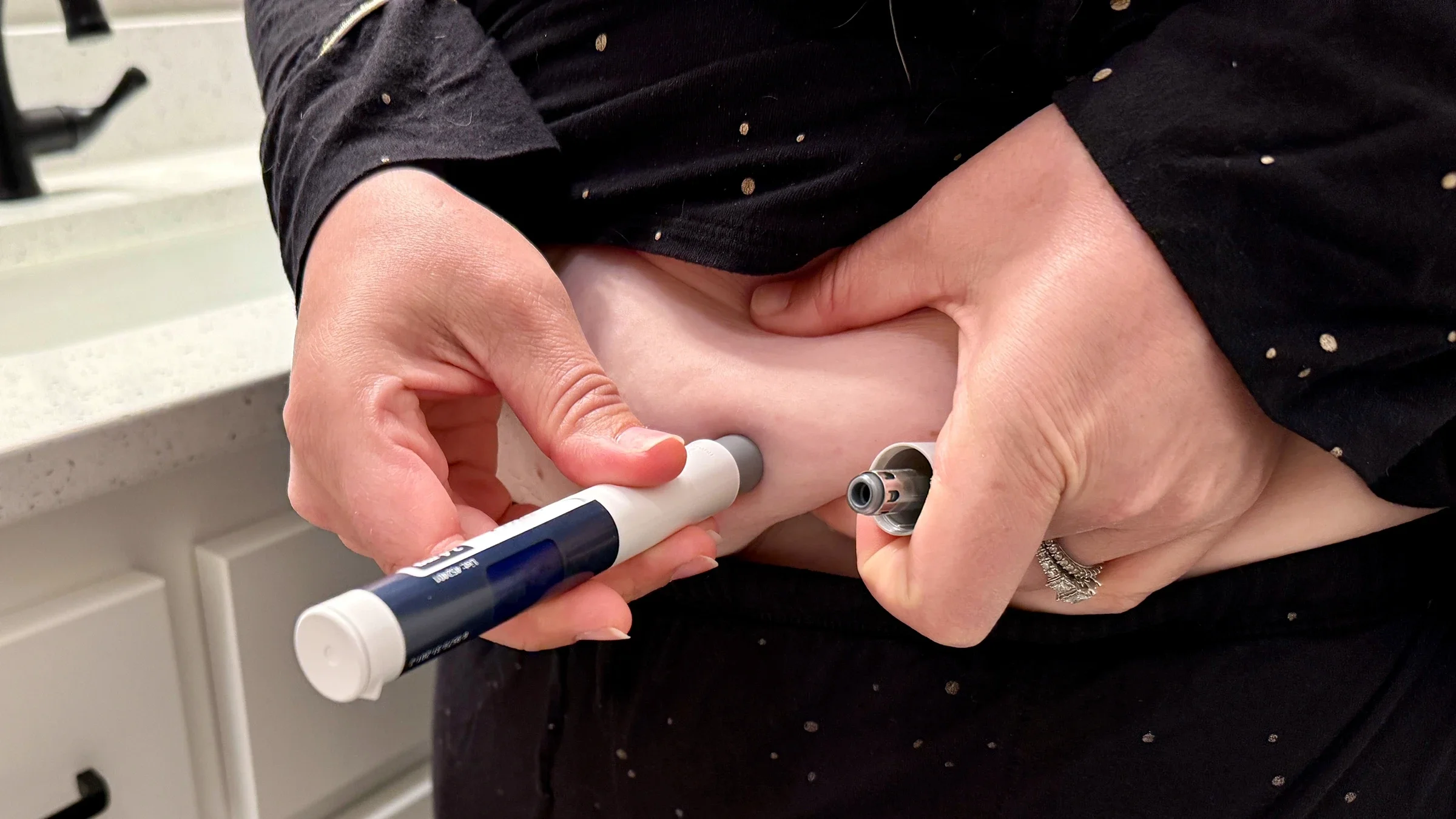



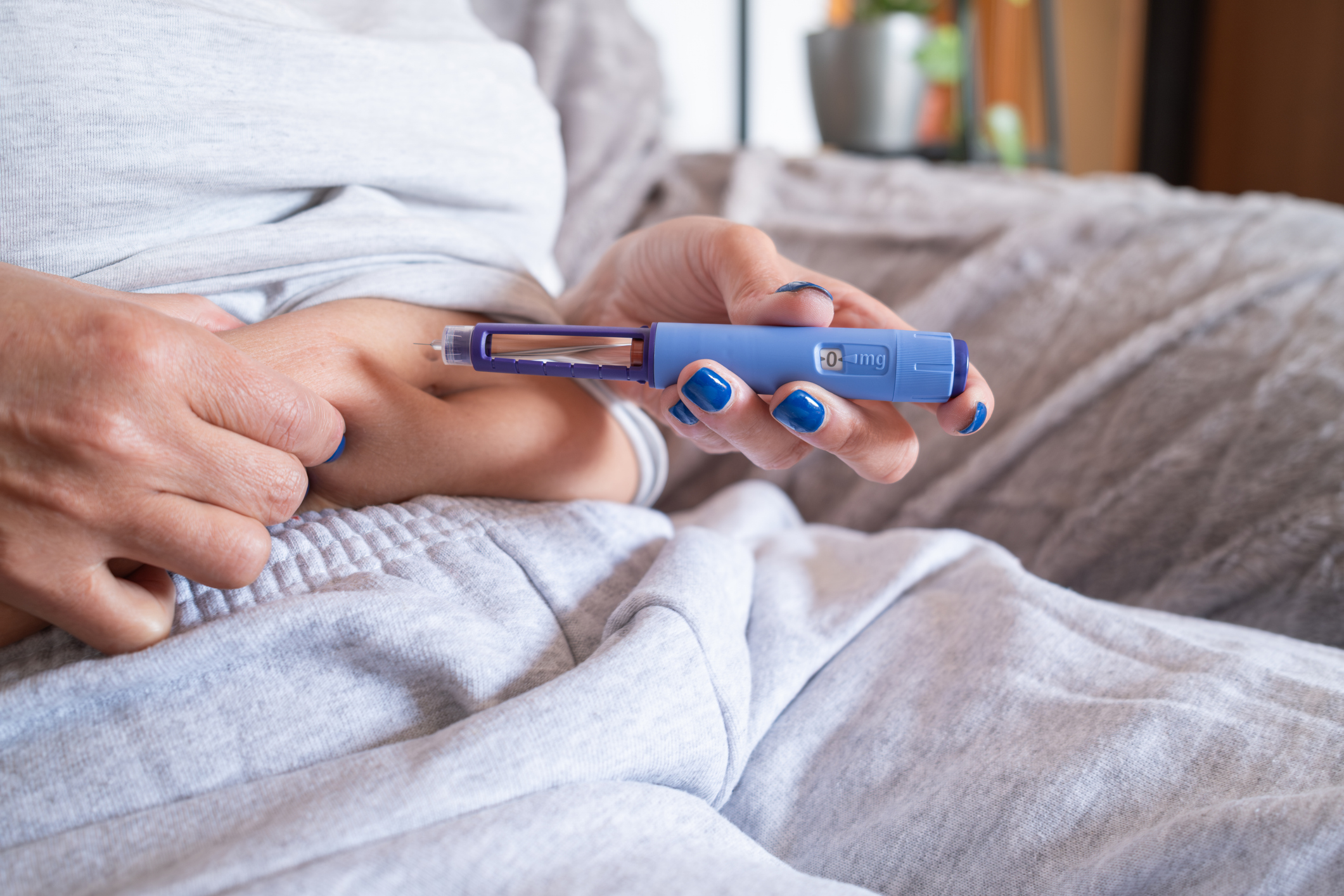



:max_bytes(150000):strip_icc()/insulin-injection-478185779-594b3cae3df78cae8111498f.jpg)