High-Histamine Foods to Minimize During Challenging Seasons: Aged and fermented foods (aged cheese, sauerkraut, kombucha) Cured and processed meats (salami, bacon, deli meats) Leftover proteins (histamine increases as food sits) Certain vegetables: spinach, tomatoes, avocado, eggplant Vinegar and vinegar-containing foods Alcohol (especially red wine and beer) Foods That May Help: Fresh (not leftover) proteins: chicken, fish, beef cooked and eaten immediately Most fresh vegetables (except those listed above) Rice, quinoa, and other gluten-free grains Apples, pears, and most berries (good sources of quercetin) Fresh herbs: basil, thyme, oregano Taking probiotics that increase histamine production is a major overlooked contributor to elevated histamine levels and seasonal intolerance to pollen and pets
In animal studies, adverse renal pelvic and tubular dilatations, that were not fully reversible, were observed in rats when dapagliflozin (a component of dapagliflozin and saxagliptin) was administered during a period of renal development corresponding to the late second and third trimesters of human pregnancy, at all doses tested
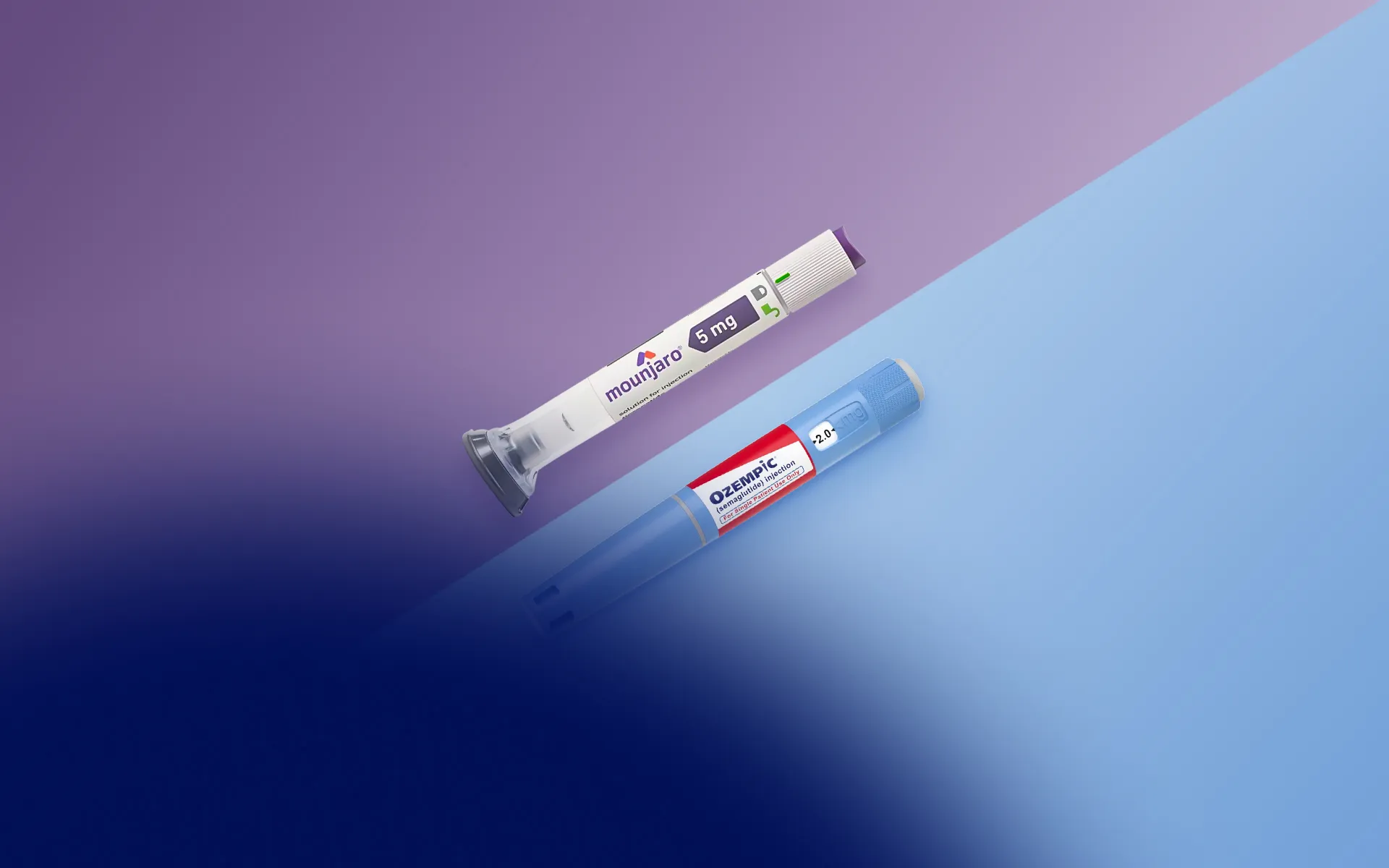
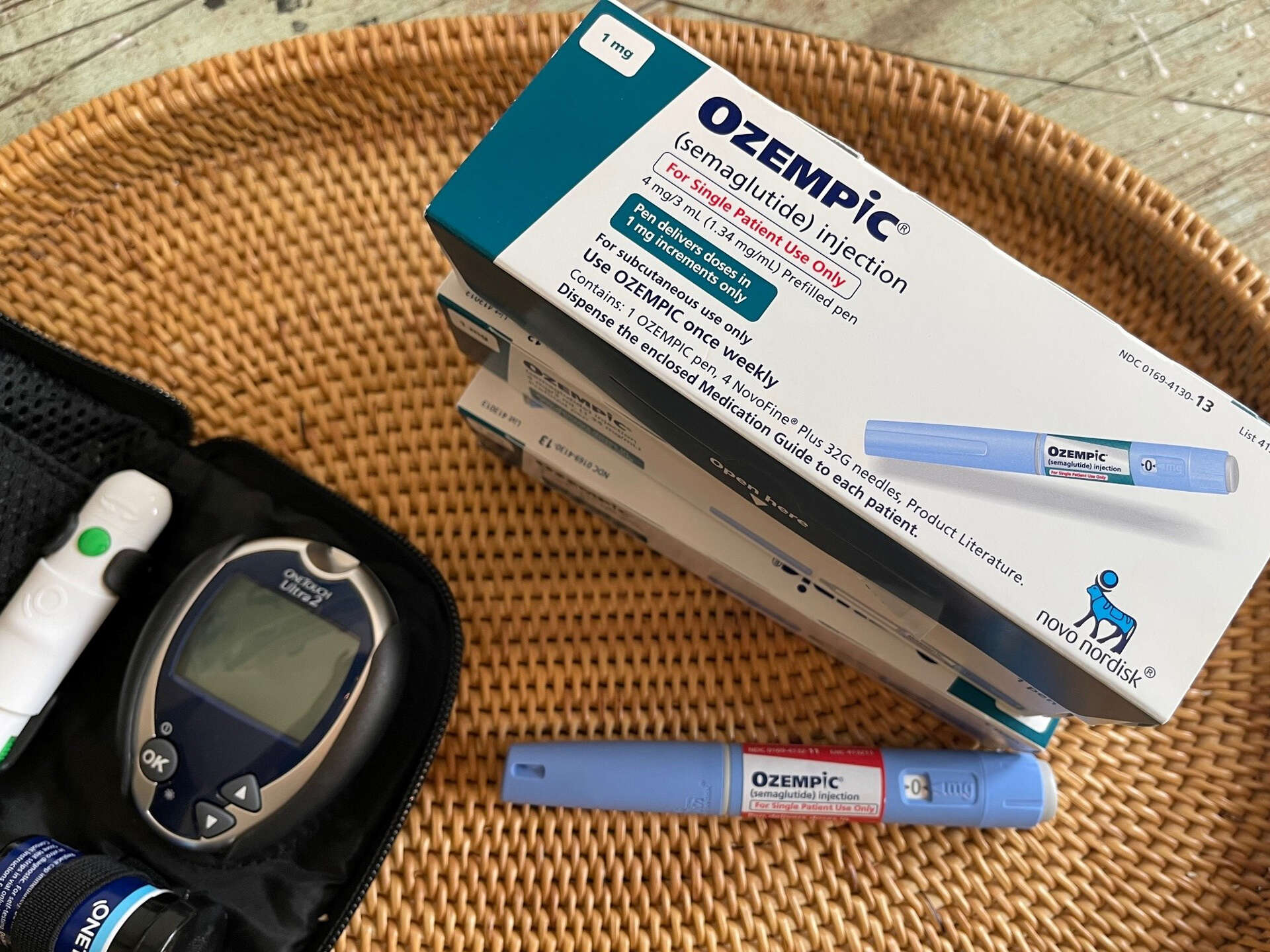
GLP-1 medications are administered via subcutaneous injection into fatty tissue under the skin, typically in the abdomen, thigh, or upper arm
The right consumer research is critical to understanding these shifts and enabling companies to deliver healthier, more functional products that meet this growing demand. A complete representation of the Impact of GLP-1 on Food Choices can be found here
While weight loss injectables typically work by improving your bodys response to insulin, there is a potential for hypoglycemia (low blood sugar), especially if youre also using medications that affect insulin