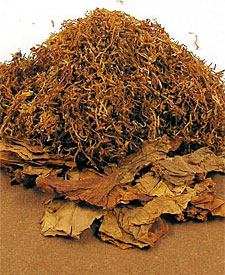
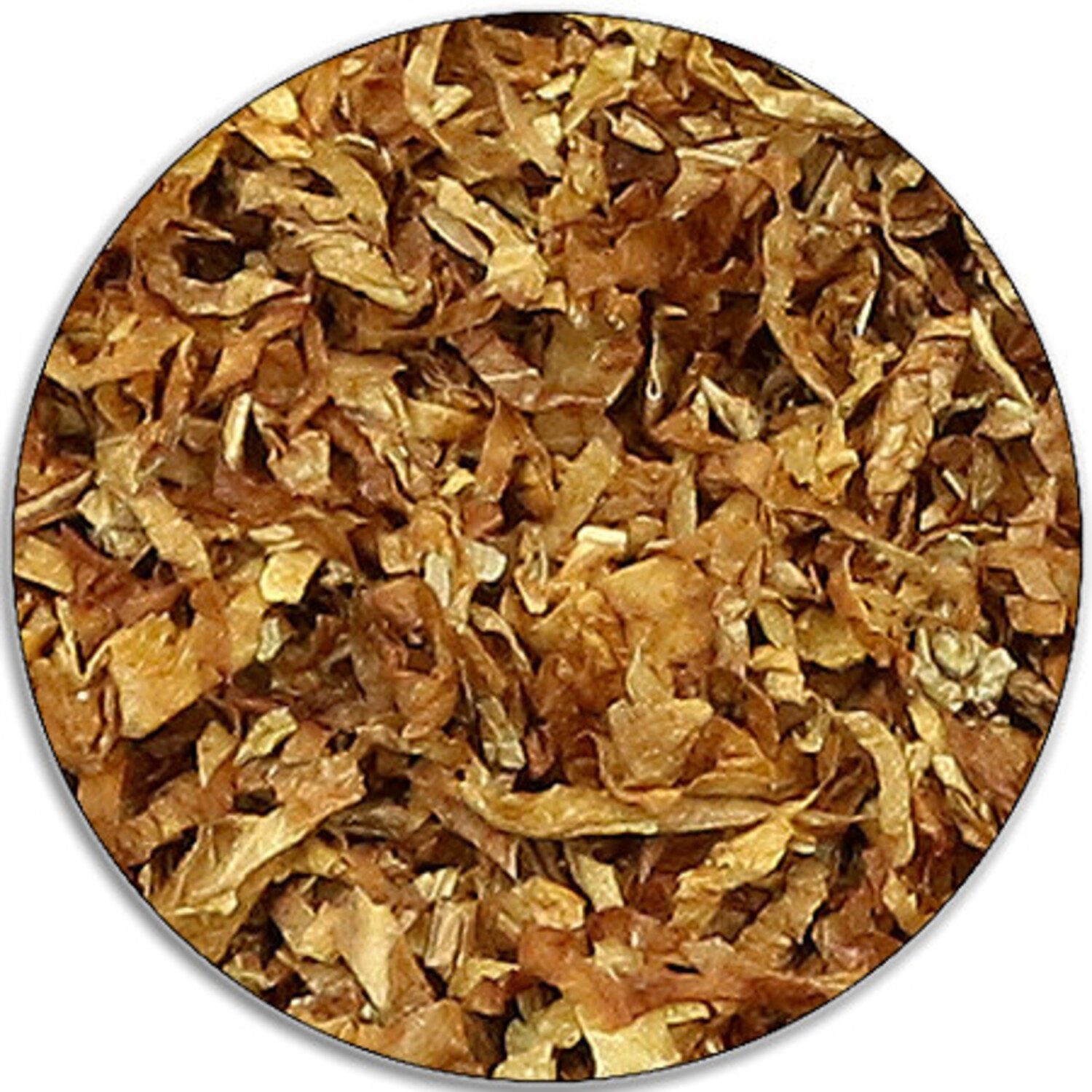
Toxic tobacco smoke contains many additional chemicals, including carbon monoxide and tar which is a sticky substance that accumulates in the lungs, causing lung cancer and respiratory distress
While theoretically, sufficient airflow through the car could eventually remove the odour, smoke, being a gas and containing particulates, permeates every surface
The three most common methods of use are: smoking vaping using edibles, such as brownies or candies THC absorption differs depending on the method a person uses

Consider: Joining a smoking cessation program specifically designed for women in menopause Connecting with support groups for both menopause and smoking cessation Engaging family and friends in your journey Working with healthcare professionals who understand both challenges The benefits of quitting When you quit smoking during menopause, you may experience: Reduced frequency and intensity of hot flushes Improved sleep quality Better overall menopause symptom management Enhanced effectiveness of any menopause treatments youre using When to seek additional help Consider reaching out to your healthcare provider if: Your hot flushes remain severe despite quitting smoking Youre struggling with nicotine withdrawal symptoms You need additional support for smoking cessation Your menopause symptoms are significantly impacting your quality of life Conclusion While managing hot flushes during menopause can be challenging, understanding the impact of smoking on these symptoms and taking steps to quit can lead to significant improvements in your menopause experience

Smoking cessation induces profound changes in the composition of the intestinal microbiota in humans