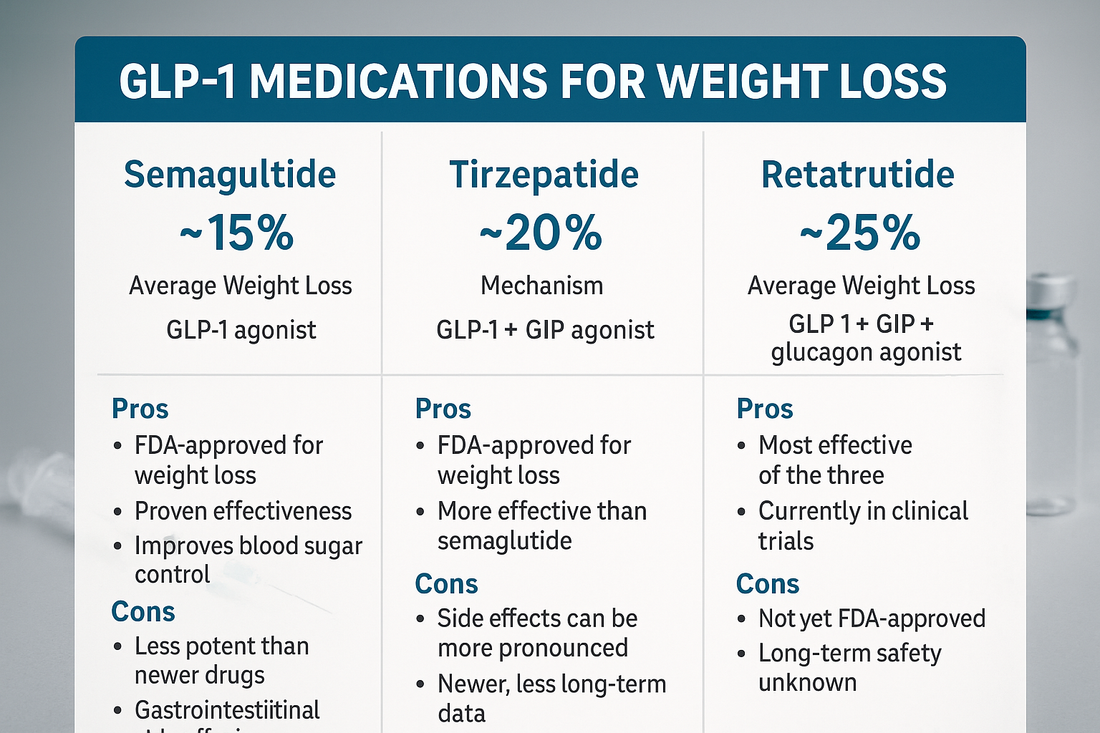
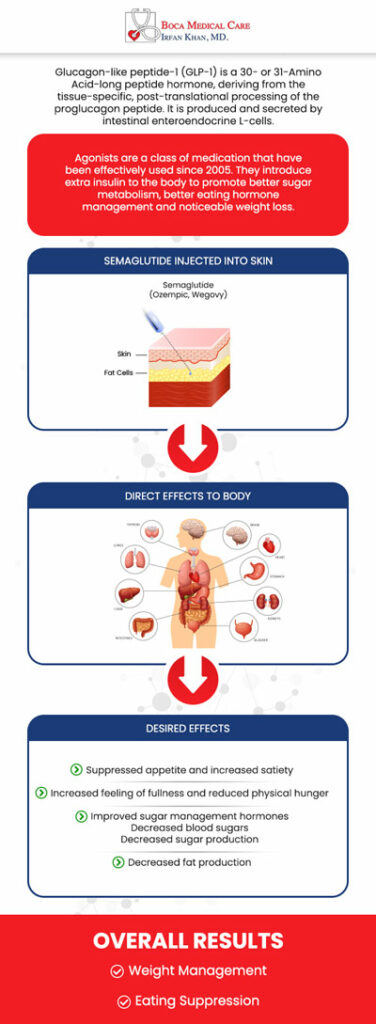
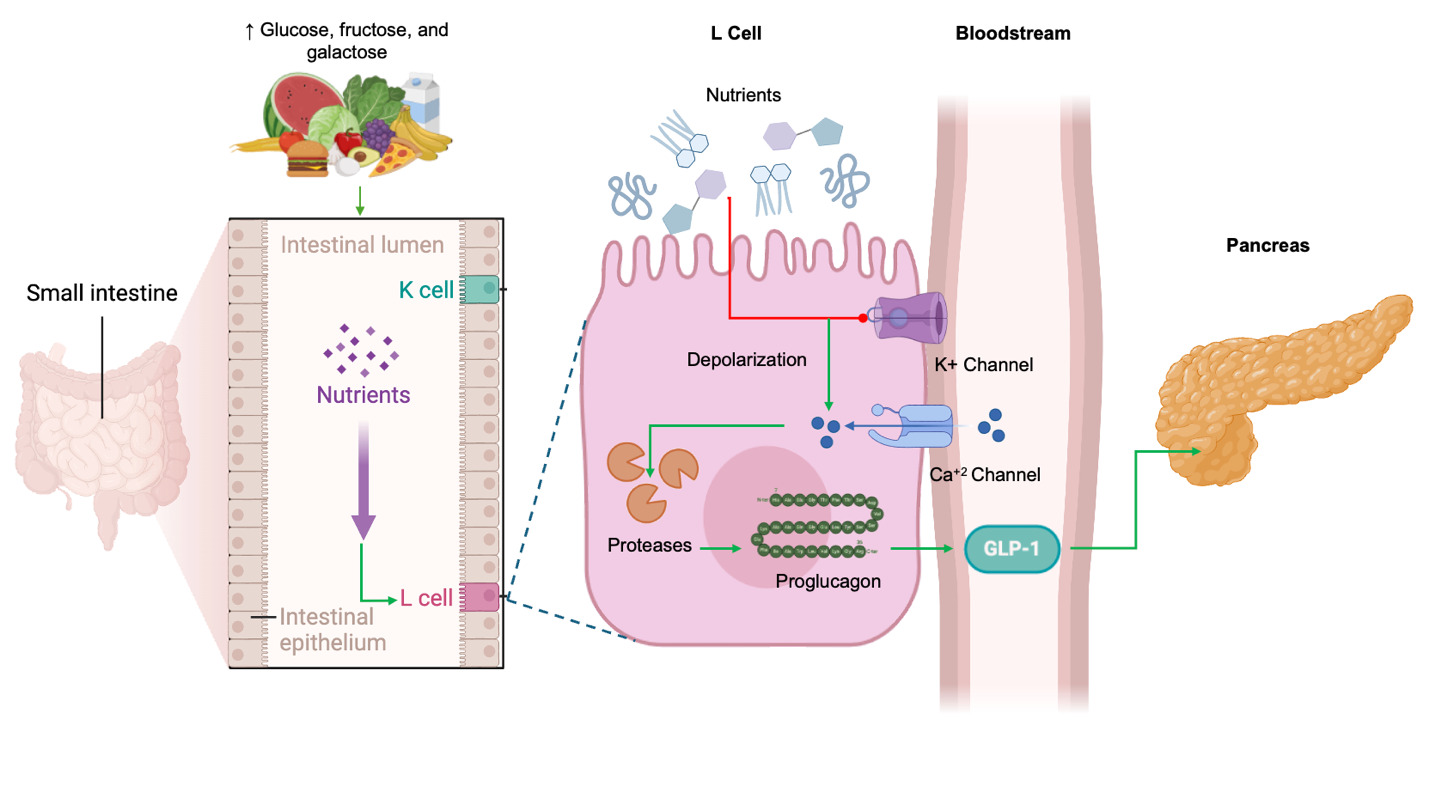
Research suggests that it may produce coordinated effects on appetite regulation, glucose homeostasis, and energy metabolism through simultaneous amylin and GLP-1 receptor activation, enabling investigation of synergistic dual-pathway endocrine signaling, integrated appetite control mechanisms, and metabolic homeostasis in experimental systems
In controlled research environments, GHK-Cu is commonly used to study: Skin and connective-tissue repair processes Fibroblast recruitment, proliferation, and matrix production Angiogenesis and endothelial-cell behavior Antimicrobial activity in wound models (when combined with selected co-factors) Neurobiological and gene-expression changes in nervous system models Experimental modulation of inflammatory and fibrotic responses These applications make GHK-Cu a versatile tool for probing how small copper-peptide complexes participate in tissue-regeneration and stress-response pathways
I have used this before with great success
FDA is establishing a docket for public comment on this meeting
HGF (also known as scatter factor SF) is a large, multi-domain protein that is similar to plasminogen, a circulating proenzyme, the active form of which is responsible for the lysis of blood clots [41]